











What are Singing Bowls?
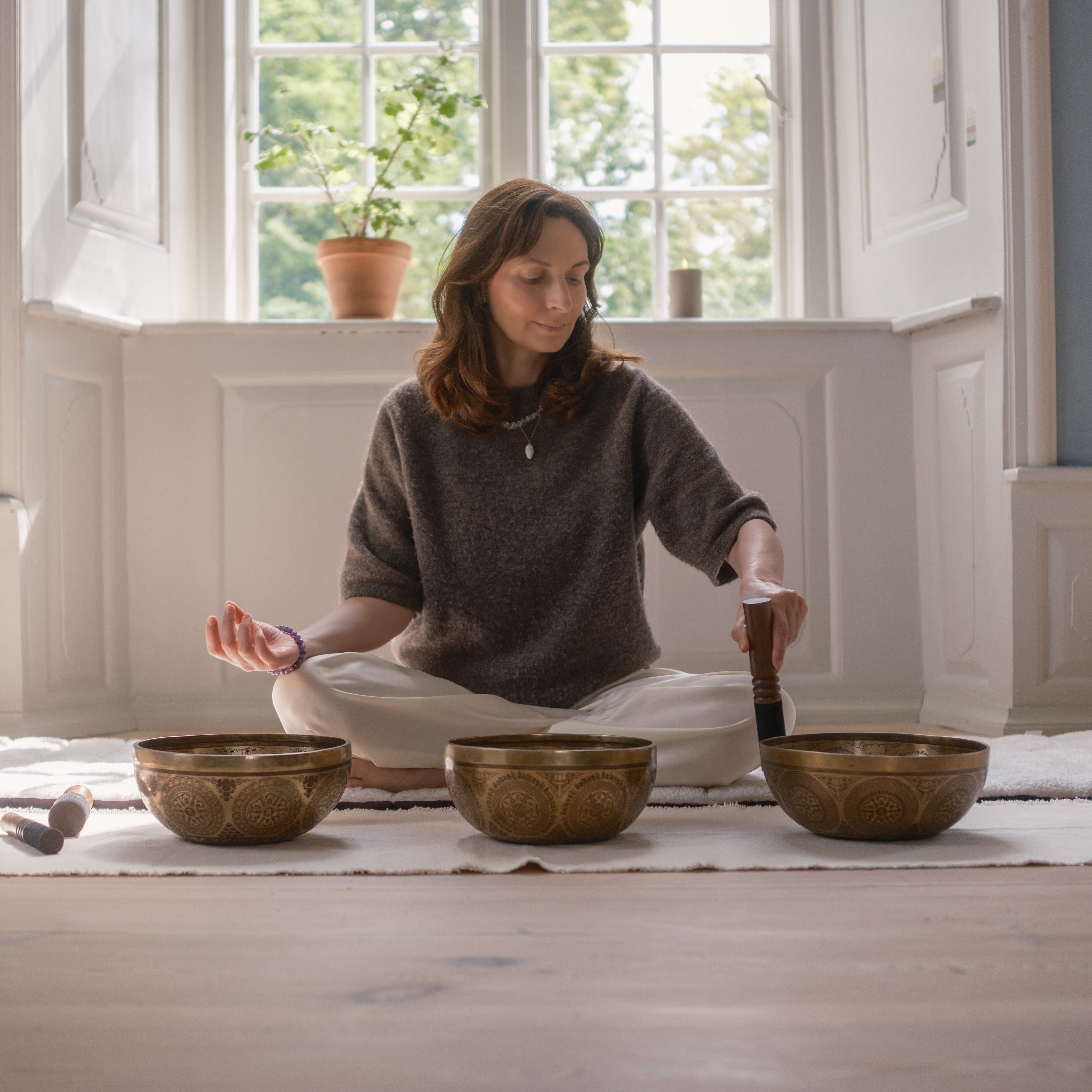
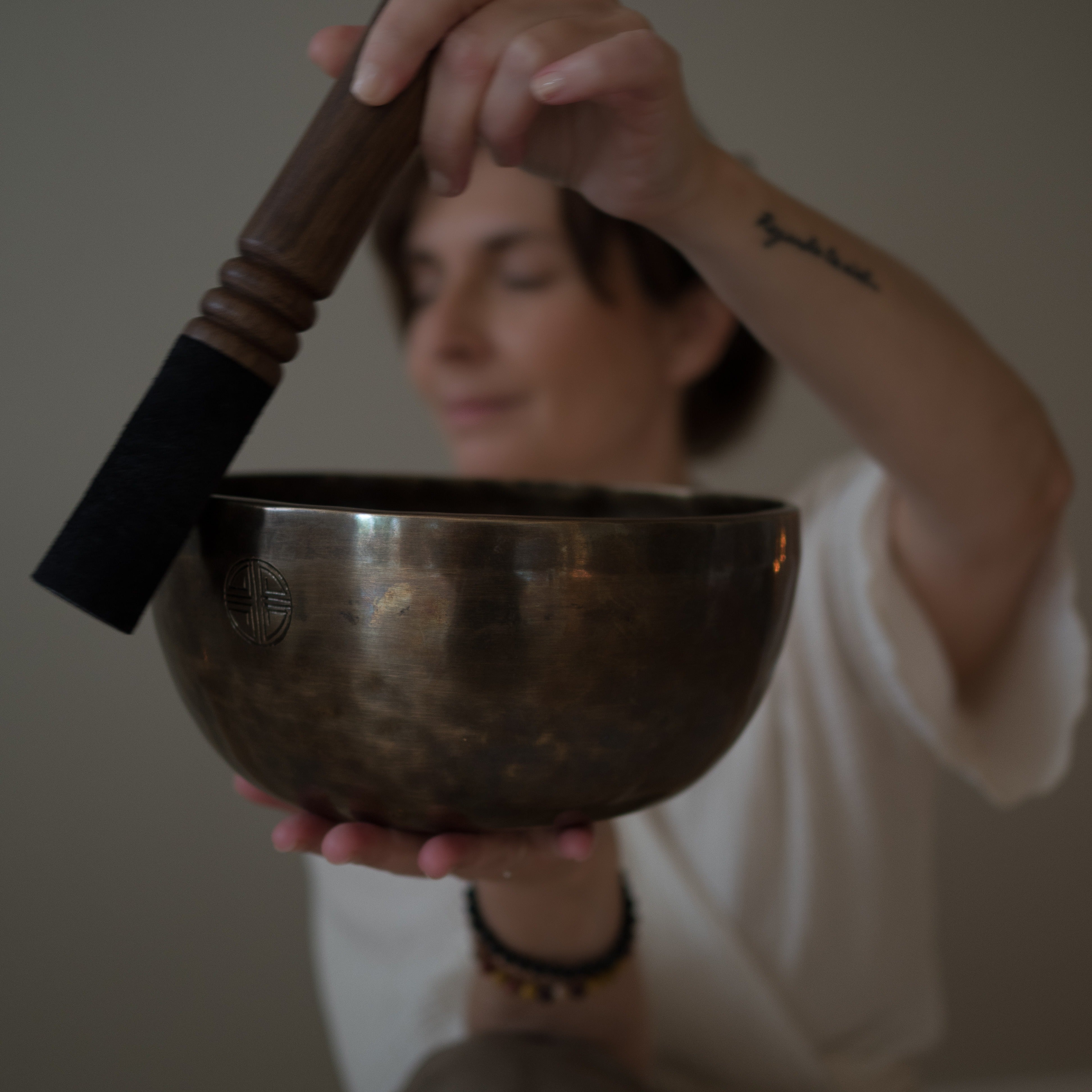
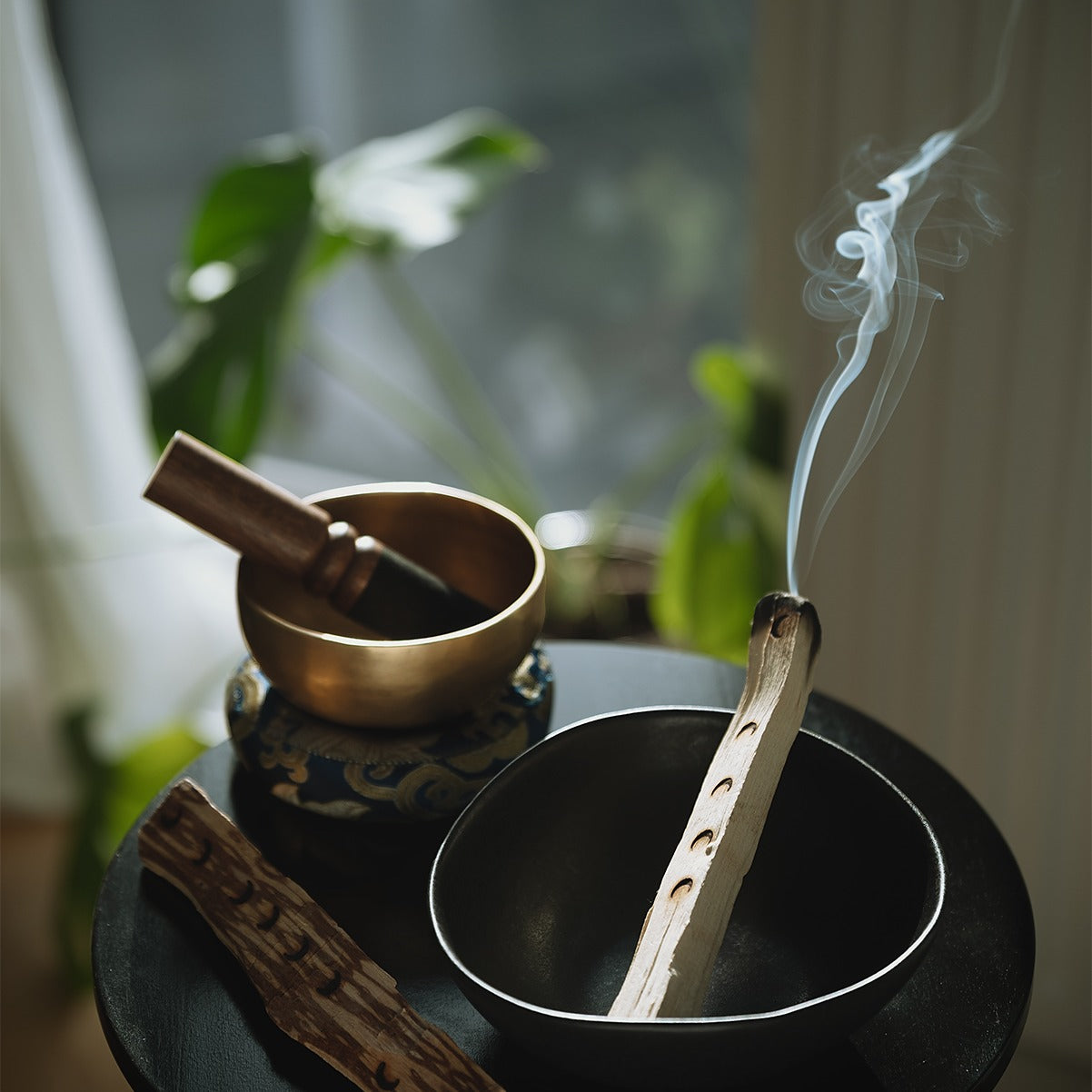
A singing bowl is a type of bell, just not the kind you'd expect. Instead of hanging suspended in the air, it rests directly on the earth, open side up, which gives it the shape of a bowl rather than a bell. But its true nature reveals itself the moment you strike it or circle its rim with a mallet - a resonant sound that seems to linger in the room. That's how it earned its name singing bowl, the bowl that sings. They are also, called as sound bowls by modern practitioners.
You'll often hear them called Tibetan or Himalayan singing bowls. Both names point to the same place - the Himalayan region of Tibet, Nepal, India and beyond, though their exact historical origins and early uses are still debated among scholars. That’s why Himalayan singing bowls could be the more accurate name. But whether you call them Tibetan or Himalayan, you're talking about the same thing which are the bowls that for generations, have served as aids to meditation and deep contemplation across the region.
Today, their sound has travelled far beyond the Himalayas. Singing bowls are now a familiar presence in yoga and meditation studios, wellness centers, sound baths, therapy sessions, and other holistic wellness practices around the world. They are valued for the same quality that first gave them their name - a resonance that invites the mind to settle.
Where Do Singing Bowls Come From?
Here's something that might surprise you: the documented history of singing bowls is much shorter than most people assume. There is little to no mention of them in ancient Tibetan texts or monastic teachings. The singing bowl's written story really begins in the 1960s and 70s, when Western travellers seeking spirituality in India and the Himalayas began bringing these resonant bowls home.
So does that mean singing bowls have no history before 1970? Not quite.
It means their earlier story lives in oral tradition rather than written record. Accounts gathered from Bonpo lamas, keepers of Tibet's pre-Buddhist Bon tradition, describe bowls used as personal aids to meditation and inner stillness - practised alone, outside the monasteries, which may explain the silence in official texts. What's beyond doubt is the craft itself - bowls of bell metal or bronze, an alloy of copper and tin known in the region as kansa, have been hammered across the Himalayas for centuries, found everywhere from Nepal and Bhutan to India and beyond. Nepal, in particular, produced many of the earliest known bowls.
And that's where our own story picks up. The singing bowls at Prajaya aren't presented as ancient relics. Instead, they're something we find more meaningful - the work of a living tradition. Each one is hand-hammered by Newar artisan families in Nepal, a community long renowned for its metalwork and a heritage the founders of Prajaya are themselves part of. The history of singing bowls may be wrapped in Himalayan mist, but the craft is alive, and you can hear it the moment a bowl begins to sing.
The Multifaceted Significance of Singing Bowls
Singing bowls have religious, spiritual and healing significance. They carry a rich meaning, woven into Himalayan culture and Buddhist practice.
As a part of the Newari tradition, they are not merely sound instruments. The sound and vibration they create carry profound cultural and spiritual significance.
In recent years, these humble yet powerful instruments have gained immense popularity across the world. However, their roots remain firmly grounded in the traditions that have nurtured them for generations.
The Cultural Significance of Singing Bowls
For centuries, these singing bowls have been used in rituals, ceremonies, and daily practices. They have been instrumental in fostering meditation, well-being, and a sense of balance. They are considered a tool that can connect the physical and spiritual realms. They aid users to get a deeper understanding of themselves and the world around them.
Like the 'OM' mantra that is considered the very sound of the universe, the sound produced by a singing bowl is often referred to as a 'universal tone'. In Buddhism, this tone is used to aid meditation, helping individuals reach a state of calm and clarity.
Healing Significance of Singing Bowls
In healing practices rooted in Himalayan tradition, singing bowls are used to promote physical and emotional healing.
The vibrations produced by the singing bowl are believed to penetrate the body and aid in the release of tension, stress, and negative energy. This practice uses these vibrations to balance the body’s energy centres, or chakras, and promotes holistic well-being.
The Spiritual Significance of Singing Bowls
One of the most profound aspects of singing bowls is their ability to foster a deep connection between the individual and their inner self. The soothing and vibrant tones of a singing bowl can help quiet the mind.
The sound produced by a singing bowl is known for its calming effects. By playing the bowl individuals can tune into the sound’s natural vibrations. It allows practitioners to enter a meditative state where they can explore their thoughts, emotions, and spiritual depths.
Such calmness helps practitioners to connect with higher consciousness by creating a sacred space for personal reflection and spiritual practices.

Tibetan Singing Bowls: The Newari Connection
The Newari community of Nepal has long been known for its artistry and craftsmanship. It has been at the heart of many traditional handicrafts, including the making of singing bowls.
Over generations, the Newars have worked tirelessly to preserve this ancient craft, which is slowly disappearing due to modern manufacturing methods and technological innovation.
Singing bowls are a perfect example of this union between spirituality and craftsmanship. Our singing bowls are functional instruments as much as instruments to aid in fulfilling spiritual goals.
Every singing bowl we produce reflects the skills, knowledge, and care that have been passed down through generations. From our great-great-grandparents to today’s master craftsmen, each generation has contributed to perfecting this art.
Every singing bowl that a Newar artisan makes is touched by hands that have learned the craft from their forefathers. We value and uphold the integrity of traditional methods of craftsmanship.
So, when you hold one of our singing bowls, you are holding a piece of history. Whether you're using a singing bowl for meditation, healing, or simply as a beautiful piece of art, we as Newari artisans ensure that you have the best.
The Anatomy of a Singing Bowl Explained
A singing bowl might seem like a simple object at first glance. It is not. Its structure is carefully designed to produce deep and vibrant tones. Each part of the bowl plays a crucial role in producing sounds that makes it such a powerful tool for meditation, relaxation, cleansing and healing.
Let’s take a closer look at the anatomy of a singing bowl and understand the significance of their various parts.
The Basic Structure of a Singing Bowl
Every singing bowl is made up of four essential components: the rim, body, base, and surface.

-
The rim is the upper edge of the bowl. This is where the mallet (wooden striker) is usually rubbed or tapped to produce sound. Thicker rims generally create a more consistent and prolonged vibration. And thinner rims usually produce sharper, quicker tones.
📌 Learn more about the striking and rimming techniques in our beginner guide on how to play a singing bowl.
-
The body is the main part of the bowl. It is responsible for the bowl’s vibration and sound quality. It's typically shaped like a bell, which allows the sound to bounce within and vibrate.
-
The base of a singing bowl provides stability to it while it reverberates. It is not directly involved in sound production. Based on the type of the bowl, the base of a bowl can be flat or have slight curvature.
- The surface of a singing may include patterns or etchings on them. These are mostly decorative but in some cases they are etched to generate specific sound frequencies. And in some cases they may also have spiritual or cultural significance.
Sizes and Shapes of Singing Bowls
Singing bowls come in a variety of sizes and shapes. Each provides a different sound experience. The size and shape of a singing bowl directly influences the tone and pitch of the sound produced.
📌 There is no universal standard for classifying small, medium, and large Tibetan singing bowls. Because each bowl is handcrafted, natural variations in size, weight, rim thickness, and tonal quality occur from piece to piece. No two handcrafted Tibetan singing bowls are exactly alike.
To make selection easier, we uses a practical size classification within our own collection. Also, the weight of the bowl is also an important factor for the classification. These categories are intended as guidance for comparison purposes only, not as fixed standards while still respecting the individuality of each handcrafted bowl.

Small singing bowls usually have a diameter between 1 and 15 cm. They produce high-pitched tones, and their sound is sharp and clear. For example, you can view our Small Singing Bowls collection.
Medium singing bowls have a diameter between 16 and 25 cm. They typically produce mid-range tones with a clear, soothing sound and naturally rich overtones. Because each singing bowl is handcrafted, some medium-sized bowls may also create deeper, more grounding vibrations depending on their shape, thickness, and weight. See an example of our Lingam Tibetan Singing Bowls, which is a good example of a medium-sized singing bowl.
Large singing bowls have a diameter of 26 cm or over. They are ideal for creating vibrations that can not only be heard but can also be felt physically. The sheer size allows it to produce strong, deeper and grounding vibrations with natural harmonics. See an example of one of our larger singing bowls in our collection.
📌 Almost all Tibetan singing bowls, regardless of size, can be used in both personal and professional settings, including yoga, meditation, sound therapy, sound healing, Reiki, massage practice, and other wellness-related activities. The most suitable bowl depends on individual preference, intended use, and the type of sound experience desired.
Design & Chemistry
Apart from sizes, there are certain design elements and material compositions that help to make one singing bowl distinguishable from another.
The curvature of a bowl affects how sound waves move inside it. A shallow bowl will produce a different sound from a deeper bowl.
The thickness of a bowl’s walls can impact its pitch. Thicker walls generally produce lower tones and thinner walls give rise to higher pitches.
There are certain decorative elements like traditional motifs, mantras, and religious symbols etched onto the surface. These elements can be decorative or religiously or spiritually significant.

The material composition of which a singing bowl is made directly determines the quality of the sound and vibration it produces. These are mostly made of bronze and brass alloys but other metals may also be added into the mix. Scroll down for more details on this.
Materials Used in Making Singing Bowls
Singing bowls are crafted from metal alloys chosen for their acoustic qualities and durability. The composition of the alloy influences the tone, resonance, and overall sound character of the bowl.
Handcrafted Tibetan singing bowls are primarily made from bronze, an alloy of copper and tin. Bronze is valued for its strength and its ability to produce deep, sustained tones enriched with layered harmonics and complex overtones. This tonal depth is often appreciated in sound-based practices.
Singing bowls are also made from brass, typically composed of copper and zinc. Brass bowls generally produce a brighter and clearer fundamental tone, with a lighter overtone profile compared to bronze. They are often cast and may involve a combination of industrial processes and hand finishing.
While the type of metal plays an important role, the craftsmanship, thickness, and shape of each handcrafted singing bowl ultimately define its harmonious sound.
📌 It is also worth noting that singing bowls are produced from crystal materials, most commonly quartz; however, those fall outside the scope of this article.
The Manufacturing of Singing Bowls: From Traditional Craft to Modern Production
The manufacturing of singing bowls can generally be grouped into two primary approaches: traditional hand-hammering and modern casting techniques.
The traditional method involves manually shaping metal alloys through repeated heating and hammering. Modern production methods rely on casting and mechanical refinement to create consistent forms at scale.
Both methods are widely used today and serve different production needs.
Handcrafted Singing Bowls
The traditional method of handcrafting a singing bowl is an intricate and labor-intensive process that has been perfected over centuries. This process involves several stages of work that require precision and patience.
Annealing: It starts with shaping a flat sheet of bronze (primarily). The metal sheet is measured and cut into pieces. It is then heated and then hammered into the desired bowl shape.
Curves: Each strike with the hammer is carefully placed, slowly forming the curves and structure of the bowl. Craftsmen ensure that the singing bowl’s thickness and shape are consistent throughout.
Tuning: After the bowl’s shape is perfected, it is then tuned. This part of the process involves striking the singing bowl to assess its sound and adjusting it accordingly. The craftsmen work with great precision to ensure that the bowl produces the desired sound and vibrations.
Finishing: The surface of the singing bowl is polished or left with visible hammer marks. Some bowls are engraved or etched with traditional motifs, symbols, or mantras based on Himalayan Buddhist art and Tibetan iconography, while others remain plain with a natural finish. For more information on etched version of singing bowls, can be found here via the link.
📌 Watch the short video below to see the traditional handcraftsmanship behind the singing bowl making process. It offers a brief look into the techniques, tools, and manual work involved in shaping each bowl by hand.
Cast Singing Bowls
Cast singing bowls are produced using modern techniques that offer precision and uniformity. The process begins with casting, where metals like brass (primarily) are melted and poured into pre-designed molds. This ensures that each bowl is formed with consistent size and shape.
After casting, industrial equipments are used to shape the bowls. This mechanical process ensures even thickness and curvature, creating a uniform product that can be replicated across multiple batches. These bowls are carefully tuned to a singular, stable sound frequency, creating a clear and focused tone.
Lastly, the bowls undergo surface finishing, which includes polishing and, in some cases, adding decorative elements.
📌 Cast singing bowls are budget-friendly. While they lack the personal touch of hand-hammered craftsmanship, they are valued for their consistency, which could be ussed in personal and professional settings, depending on individual's choice. However, cast singing bowls may lack the natural tonal richness and harmonic depth that come from handmade variations.
To Conclude
Singing bowls are much more than just sound instruments; they are rich in history, craftsmanship, and spiritual significance. From their Himalayan roots to their modern-day use in meditation, healing, and mindfulness, these bowls have become a powerful tool for promoting inner peace and well-being. Whether you're drawn to their soothing tones or the deeper meaning behind their creation, incorporating a singing bowl into your practice can open the door to a more centered and harmonious life. Embrace the journey and let the sound guide you.
View our varied collection of singing bowls. If you're ready to begin, explore our collection or first read our guide on how to choose the right singing bowl to find the one that resonates with you.
Harmonize Within, Thrive Beyond.


